overview
PCC Friday Set Dancing Cork and Kerry
Student guide | Fridays, September 25–October 16, 2026 | 6:30–8:20 PM
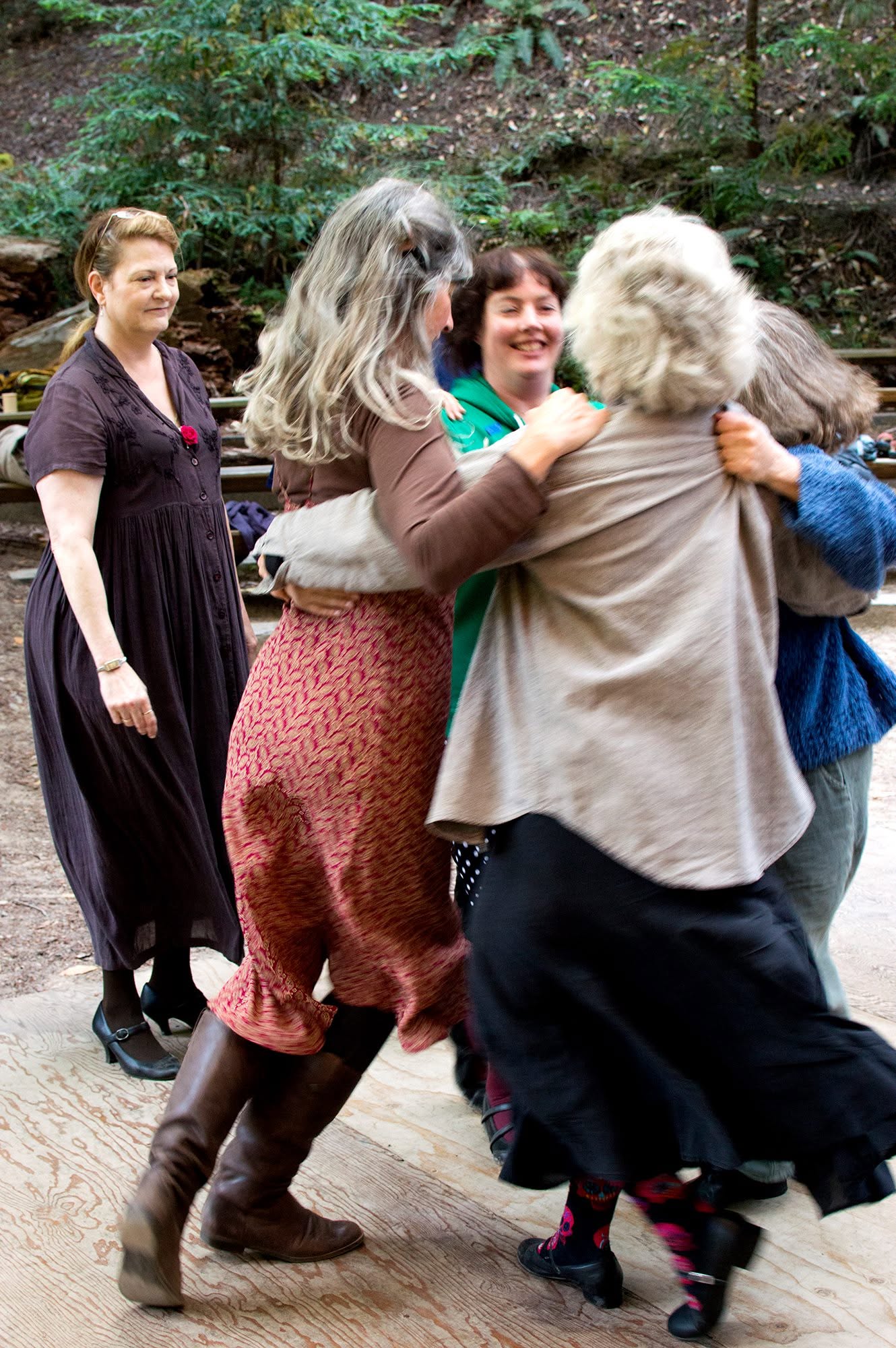
Over four Fridays, we will explore three sets from Cork and Kerry, then meet at the Third Friday Céilí to dance with live music. We will learn a few movements, put them into dances, and review familiar moves as they appear again. Come to enjoy the dancing. There is no need to study or practice between classes. Also each week if you would like to dance the set of the week to live music we will be dancing it at Steeplejack on Hawthornes Tuesdays at 6:30pm.
We will learn the figures that fit our time and our group. The lists below are references for anyone who wants to look back or explore further; you do not have to memorize them.
On each weekly page you will find video references and under the resource page you will find video and music playlists as well as more set dancing resouces.
Missing a class or forgetting a move is no problem. We will review as we dance. I have your back!
week 1
Week 1 — September 25 – Televara Set
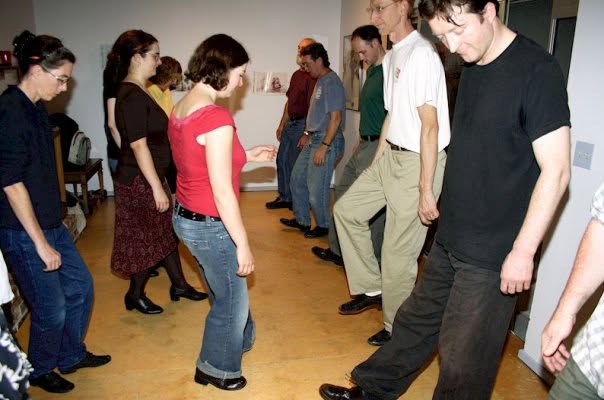
County Kerry · We began with the polka step, moving in place and around the set, then practiced the swing, house around, and square the house. We found our places in the set and brought those movements into Televara. The set includes jigs, slides, and a reel.
Televara movement guide
The movements below listed in the order they appear in the dance. A move is listed when it first appears, so recurring moves are not repeated.
Figure 1 The Double Chain
week 2
Week 1 — October 2 – Televara Set
Figure 2 Advance and Half House
- Slide towards each other and back, then half house
Figure 3 Frog in the Middle
- Dance in and swing while the other dancers circle
Figure 5 Face the Hob
- Couples house and square into a line
- Cast off
- Lead back up the middle and around to the next place
week 3
Week 3 — October 9 – Borlin Set
From County Cork
Instructions and music reference
This week we’ll build on the polka step and partner movements from our first class, introducing Borlin’s quarterhouse and bringing the skills into the set.
6:30–7:10 — Skills
6:30–6:40 · Warm-up and review
Find the rhythm with the polka step, dancing in place and traveling. Briefly revisit the swing, house around, square the house, and home positions as needed.
6:40–6:55 · Quarterhouse
Introducing the quarterhouse: jump kick. Practice slowly with a partner, then try it with music. Offer a gentler heel-drop option for the jump.
6:55–7:10 · Movements for the first figure
Practice the crossed-hand lead around and follows chain. Bring the movements into half sets or full sets, reviewing familiar skills where they occur.
7:10–8:20 — Dance the Borlin Valley Polka Set
Begin with Figure 1 — Follows Chain, walking through the movements and then dancing with music.
Continue one figure at a time as the group is ready:
- Figure 2 — Two Squares
- Figure 3 — Advance and Retire
- Figure 4 — Four Squares, danced to slide music, if time allows.
The hornpipe figure is optional.
If there is time: Revisit a familiar figure from the Televara Set.
Dance reference: https://setdanceteacher.ie/borlin.htm
week 4
Week 4 – Field Trip
Waverly United Church, 3300 SE Woodward, Porltand, Or. No expeirence needed.
7-10pm
Dance List
- Claddagh
- Borlin (polkas slides)
- Merchant
- Televera (Jigs)
- Antrim Square
resources
Resources
- Youtube music playlist
- set dancing news – webpage & facebook page
- Portland Set dancing Facebook page
- Dance minder – a site with dance instructions
- Maldon’s spotify page with music playlists
- Maldon’s YouTube channel with videos
Places to dance Sets in Portland